Basement moisture is one of the most frequent concerns homeowners and buyers encounter throughout the Chicagoland area. Many people assume water in a basement means something is seriously wrong with the home, but local environmental conditions make moisture issues very common. Understanding why basements in this region are prone to dampness helps homeowners stay proactive and avoid costly repairs.
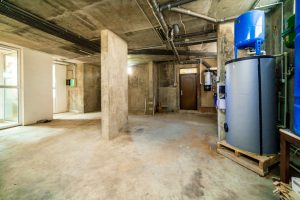
Local Soil Conditions Hold Water Near Foundations
Much of the Chicagoland area is built on clay-heavy soil. While this soil type provides solid support for structures, it does not drain water efficiently. Instead of allowing rainwater to move away quickly, clay soil absorbs and holds moisture.
After periods of heavy rain or snowmelt, the ground surrounding a home becomes saturated. Water presses against basement walls and floors, creating what inspectors call hydrostatic pressure. Even tiny cracks or naturally porous concrete surfaces can allow moisture to seep into the basement over time.
Because Chicago experiences frequent precipitation throughout the year, this cycle repeats itself time after time.
Seasonal Weather Adds Extra Stress
Chicago’s changing seasons play a big role in basement moisture problems. During winter, freezing temperatures cause the soil to expand. When temperatures warm up, the ground contracts as it thaws. This constant movement places stress on foundations.
Small foundation cracks may develop slowly and go unnoticed for years. Once spring arrives and snow begins to melt, water finds its way through these openings and into the basement. Homeowners often notice damp walls or puddles appearing during seasonal transitions.
Older Homes Face Additional Challenges
Chicagoland is known for its historic neighborhoods and older housing stock. Many homes were built long before modern waterproofing methods became standard. While these homes were constructed to last, they often lack features that help manage water effectively today.
Inspectors frequently see older properties with aging drain tile systems, limited exterior waterproofing, or outdated sump pump setups. Even homes that appear well cared for can experience moisture simply because building practices have evolved over time.
Exterior Drainage Often Contributes to the Problem
Basement moisture does not always originate from inside the home. In many cases, the issue begins outdoors. Poor grading, clogged gutters, or downspouts that release water too close to the foundation allow moisture to collect right where it should not.
When water repeatedly pools near the foundation, it increases the likelihood of seepage into the basement. Addressing drainage concerns outside the home is often one of the most effective ways to reduce interior moisture.
The Value of a Professional Inspection
Moisture in a basement should always be evaluated carefully. While some dampness may be manageable, ongoing moisture can lead to mold growth, structural deterioration, and indoor air quality concerns.
A professional home inspection helps identify the true source of the problem. Using tools such as thermal imaging technology, inspectors can locate hidden moisture behind walls or under flooring before visible damage appears.
Basement moisture is common across Chicagoland properties, but it does not have to become a major issue. With proper inspections, routine maintenance, and effective water management, homeowners can keep their basements dry, and their homes protected for the long term. Contact First Choice Inspectors at 773-429-9711 today or visit us online for more information!